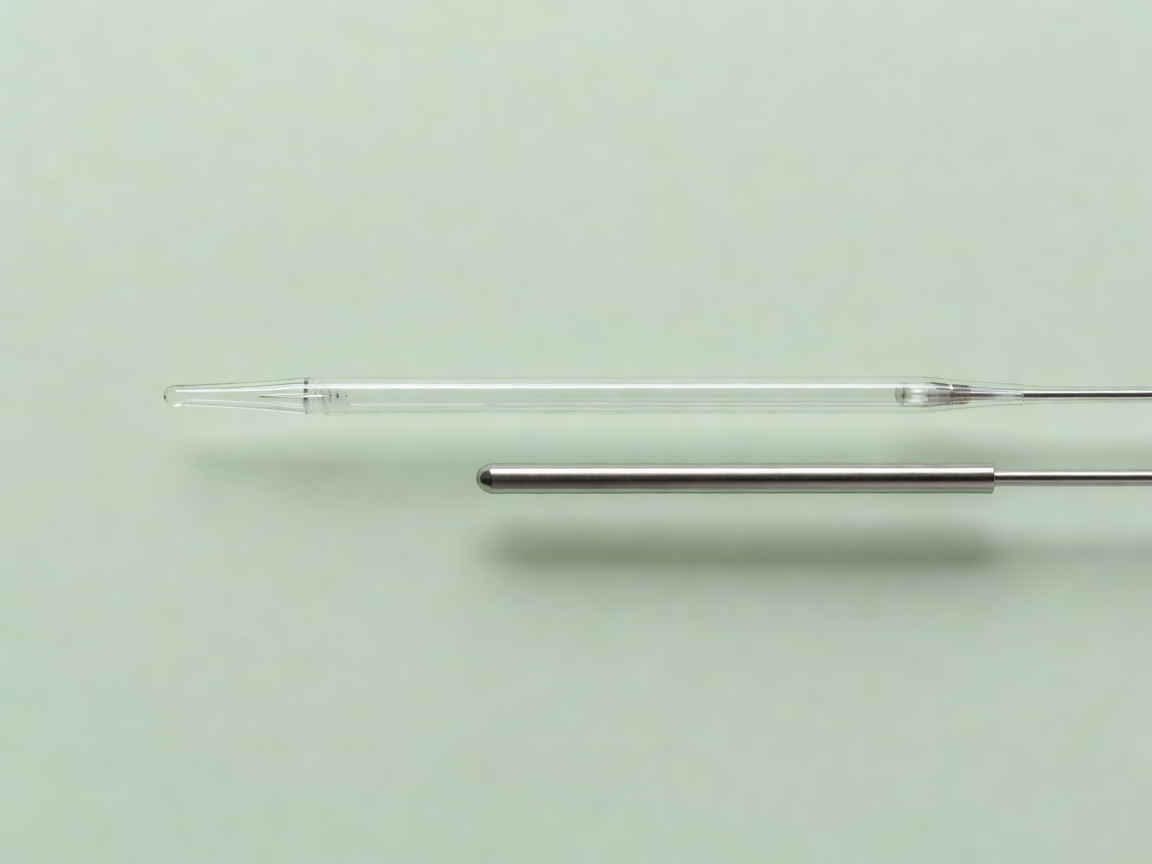
 Measurement
Know what the sensor actually detects
Calibration, placement and fouling can shape a trend as strongly as changes in the water.
Explore the probes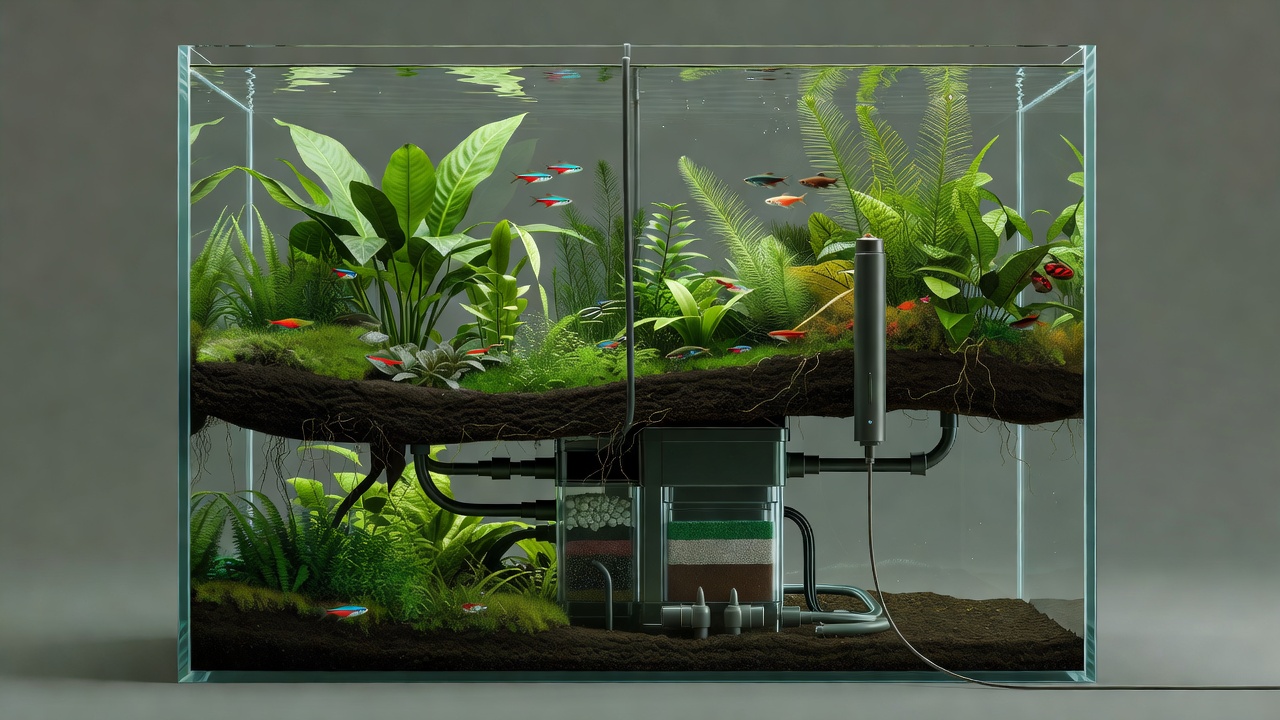
A field guide to intelligent aquarium observation
A sensor gives you a measurement. A model notices a pattern. Understanding what that pattern means still begins with the habitat, the animals and a careful second look.
Illustrated learning environment · No live aquarium connection
Establish the habitat
Before interpreting a number, describe the aquarium. Freshwater or marine, planted or sparsely furnished, newly established or mature: these differences change what a measurement can tell you.
Record species, water volume, filtration, aeration, lighting and the last maintenance event. A change after feeding is not the same observation as a change after a filter has stopped.
AI-assisted monitoring connects measurements over time to flag unusual behaviour. It cannot supply missing tank history or decide what conditions every species needs.
Build the water context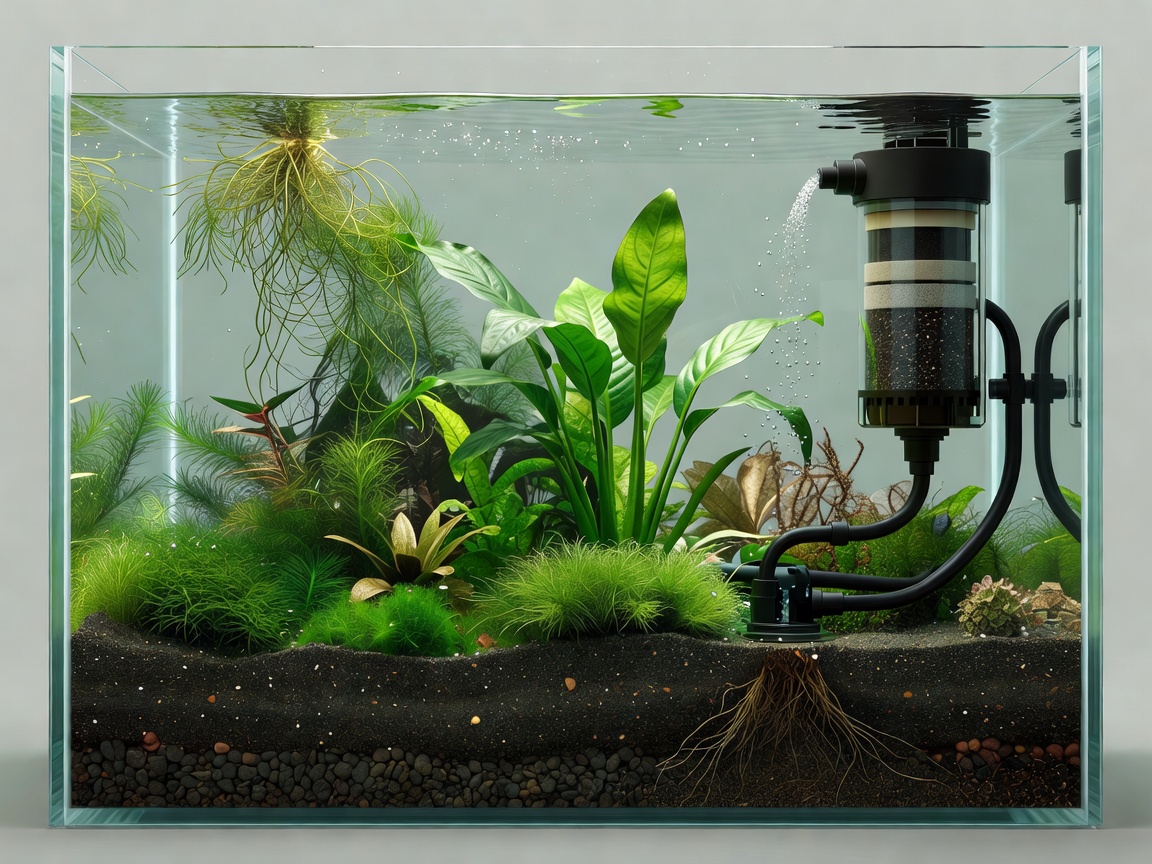
Listen to the probes
Temperature affects oxygen availability. pH changes the balance between forms of ammonia. Every measurement has neighbours—and limits.
MeasurementCalibration, placement and fouling can shape a trend as strongly as changes in the water.
Explore the probes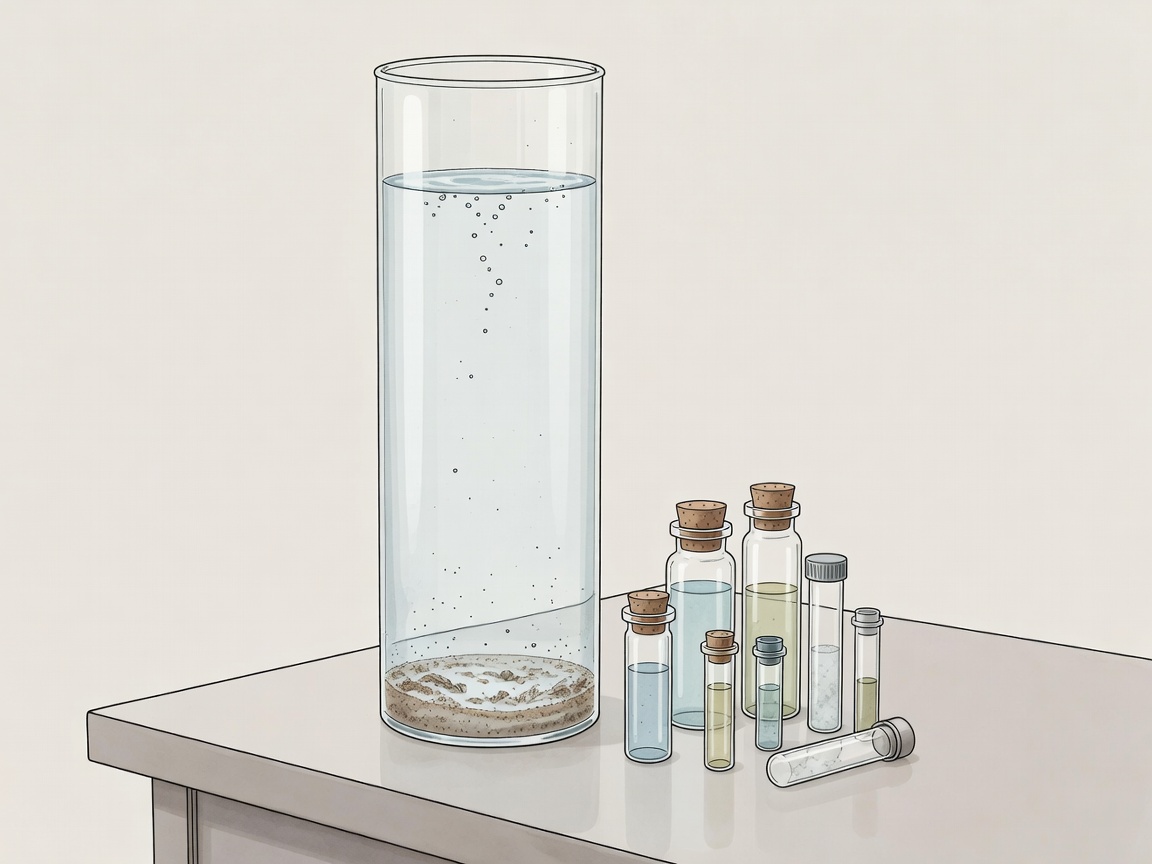 Context
Interpret water tests alongside feeding, biological filtration, plant growth and source water.
Read chemistry in contextLook beyond a reading
Swimming, shelter use and feeding can add context to a sensor trace. They are not diagnoses: species, social behaviour, lighting and camera position all affect what you see.
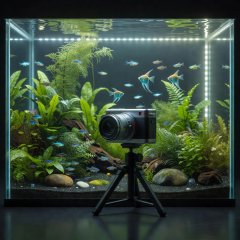
A camera can miss a sheltered animal or mistake a reflection for movement. Combine visual observations with direct checks.
Understand visual monitoringRecognise a changing pattern
Models can compare current observations with a learned baseline. An unusual pattern might reflect deteriorating conditions, a changed routine, or a sensor that needs attention.
Choose a careful response
Check the animals, inspect equipment and compare an alert with an independent measurement. Avoid making several large chemistry changes at once without a justified plan.
Check the timestamp, electrode placement and whether the probe was disturbed or exposed to air. Confirm with a properly performed independent test and review source-water changes before attempting a correction.
Do not let the dashboard overrule direct observation. Check circulation, aeration and temperature promptly. If animals show distress, seek species-appropriate help; a monitor is not veterinary care.
Keep learning
Start with the measurement you can trust, document the uncertainty and learn what would change your interpretation.
Can AI predict illness? Does clear water mean healthy water? How should you review a warning?
Open the monitoring FAQPrepare a structured question with habitat details, measurement methods and a short timeline. Copy or download it locally.
Prepare an observation sheetYour privacy choices Some cookies are needed for the site to work. Others help us understand how it is used. You can change your choice later. Cookie policy